 Douro Valley Wine Tour
Douro Valley Wine Guide: Port, DOC Douro Wines and How to Taste Them
Port and DOC Douro wines grow on the same terraced riverbanks, from the same native grapes, and taste nothing alike. This Douro Valley wine guide separates the two families, walks through every style a quinta is likely to pour, and finishes with the questions worth asking the person behind the glass.
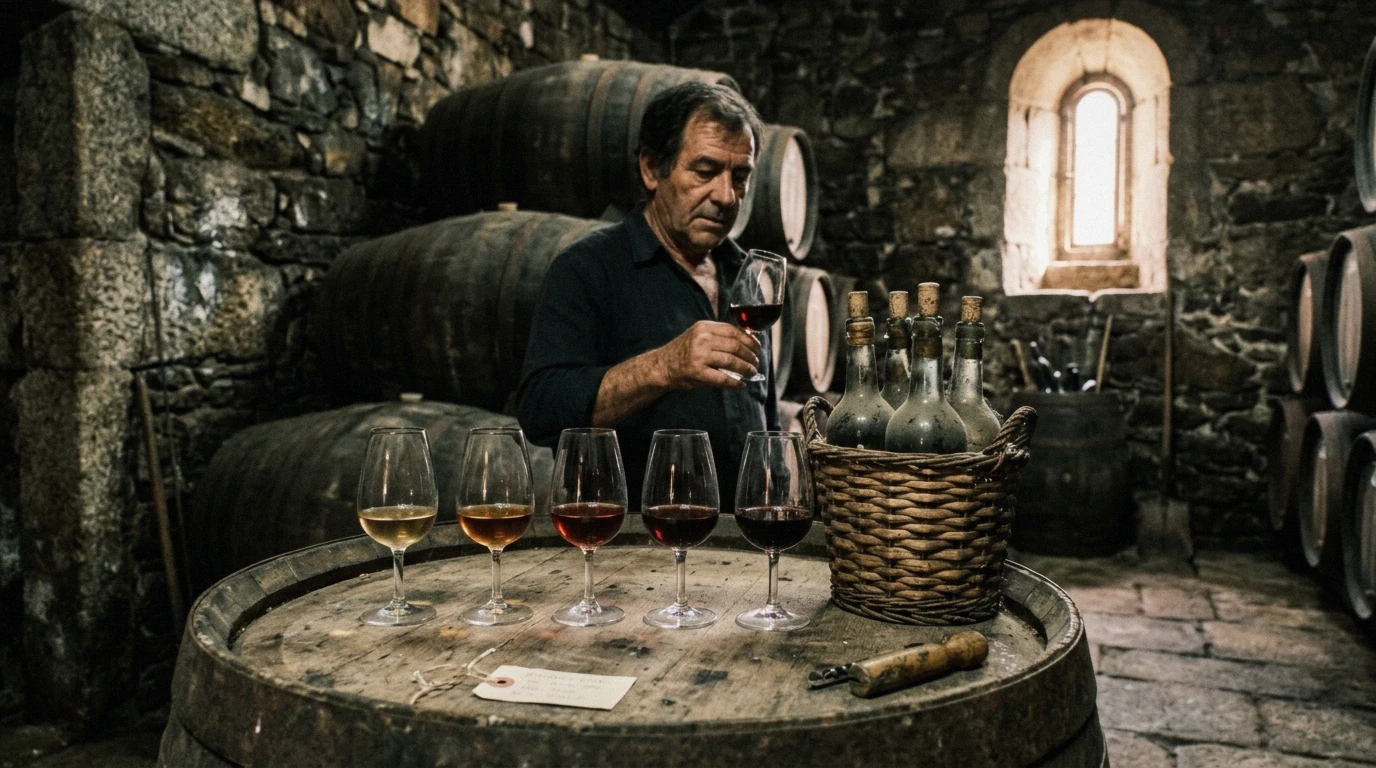
One estate, two families of wine: dry DOC Douro still wines beside fortified port made from the same terraces.
Quick answer Port versus DOC Douro, the port styles by ageing, and the one comparison to make at every quinta
Port is fortified: grape spirit stops fermentation early, leaving natural sweetness and higher alcohol, and it is produced exclusively in the Douro Valley. DOC Douro wines are the same native grapes fermented dry, as reds, whites and rosé. A good Douro Valley wine tasting pours both from the same estate, which is the fastest way to feel what fortification does. Ruby port tastes of cherry and chocolate, tawny of fig, walnut and caramel, and the dry DOC reds sit in between, structured and built for food.
Key takeaways
- Port runs sweet and fortified, DOC Douro wines run dry: same valley, same grapes, different winemaking
- Ruby styles age in large vats and keep their fruit, tawny styles age in small oak and gain raisin, toffee and coffee notes
- Tasting several ages of tawny side by side is the point of the sommelier day with 15 wines
- The two boutique family wineries day pairs a port-focused estate with a table-wine quinta, the exact comparison this guide recommends
- Ask for vine age at every stop: old-vine, or vinhas velhas, bottlings can be the most complex wines in the room
Port vs DOC Douro: What Actually Differs
Both come from the same demarcated valley in northern Portugal, one of the oldest demarcated wine regions in the world and a UNESCO World Heritage site. The divergence happens in the cellar, not the vineyard.
How port is made
Port is a fortified wine. Fermentation is deliberately stopped by adding grape spirit before the sugar has finished converting, which leaves natural sweetness in the finished wine and pushes the alcohol well above table-wine strength. That single intervention is why port tastes rich, powerful and long-lived, and why it is legally produced exclusively here: the demarcation protects both the grapes and the method.
What DOC Douro means
DOC Douro wines are non-fortified still wines, made as reds, whites and rosé from the same native grape varieties, but fermented dry like any regular table wine. They are the valley's quieter export and, in the last few decades, its critical success story: the same terroir that builds port also builds serious dry reds with firm tannins and fresh acidity.
The two families side by side
The table below puts port and DOC Douro wine next to each other, from fermentation through to the moment you open the bottle, so the choice at a cellar door takes seconds. The figures and classifications are the ones the region's own cellars use.
| Feature | Port | DOC Douro | Reach for it when |
|---|---|---|---|
| Fermentation | Stopped early with added grape spirit | Runs to dry, like any table wine | This is the root of every other difference |
| Sweetness | Noticeably sweet by design | Dry reds, dry to off-dry whites | A sweet pour after dinner, or not |
| Alcohol | Higher, because it is fortified | Normal table-wine strength | You still have a drive or a train after tasting |
| Styles | Ruby, tawny, white and rosé | Red, white and rosé | Age-worthy port or an easy lunch red |
| Best moment | Aperitif, dessert, slow nightcap | Lunch and dinner tables | Port ends the day, DOC carries the meal |
The Native Grapes Behind Every Glass
The Douro relies on blends of native grapes rather than single-varietal wines, and many of the oldest vineyards are field mixes nobody ever planted on purpose. Knowing the headline varieties turns a tasting from noise into pattern.
The main red grapes
Five names cover most of what you will be handed in a Douro tasting room, and guides usually introduce them in this order.
- Touriga Nacional: dark-skinned, intense colour, aromas of dark fruits and violets, powerful tannins and structure, widely considered the flagship grape
- Touriga Franca, also called Touriga Francesa: brings floral notes, red fruits and elegance to both port and DOC Douro blends
- Tinta Roriz: the same grape Spain calls Tempranillo, adding backbone, spice and firm tannins that help wines age
- Tinta Barroca, Tinta Amarela, Tinto Cão and Sousão: contribute colour, acidity, complexity and spicy, herbal notes to the blend
The main white grapes
The white side of the valley is less famous and busier than expected: Rabigato, Viosinho, Gouveio, Malvasia Fina, Donzelinho and Códega give the whites their freshness, citrus and stone-fruit character, sometimes with floral or lightly creamy notes depending on the winemaking. They feed both the DOC whites and, traditionally, the base wines for white port.
Why blends dominate
Blending is not a compromise here, it is the system. Each variety contributes one piece: colour, acid, perfume, tannin or ageing capacity. It is also why the same estate can pour a fresh white, a structured red and a vintage port that share a family resemblance without ever tasting identical.
When a guide asks which grapes dominate a given bottle, the answer is the fastest route into the house style.
DOC Douro Wines: Reds, Whites and Rosé
The dry side of the demarcation now stands on its own, and a tasting that skips it only tells half the story.
Douro reds
Douro red blends are the region's dry, non-fortified powerhouses. In style they run from medium-bodied, juicy and fruit-driven to full-bodied, structured, oak-aged wines built for ageing. Expect blackberries, dark cherries, plums, baking spice and dried herbs, sometimes with chocolate and earthy notes.
Firm tannins and good acidity are the rule, which is exactly why they pair so well with grilled meat and rich dishes.
Douro whites
Douro whites have improved dramatically and are now a serious category rather than an afterthought. The range runs from crisp, mineral and citrus-driven to richer, barrel-fermented wines with real texture. Typical flavours are lemon, lime, green apple and white peach, sometimes with floral or saline edges.
They are the right call with fish, seafood, salads and lighter dishes, and they show the valley is not only about sweetness and power.
Douro rosé
Rosé from the Douro uses the same red grapes in a lighter register. It is often pale, bone-dry, crisp and refreshing, built to highlight freshness rather than richness, with red berries, citrus zest and subtle floral notes. It is the bottle people buy twice: once for the terrace, once for the suitcase.
Port Styles: Ruby, Tawny, White and Rosé
All port starts life as a still wine that is fortified with grape spirit. Everything that distinguishes the styles afterwards comes from ageing and blending.
Ruby port: the fruit keeper
Ruby port focuses on fresh fruit and lively colour. It spends a short time in large vats with minimal oxygen, so the wine keeps its cherry, plum, blackberry, chocolate and spice character, bold and juicy. The ruby family climbs through basic Ruby, Reserve Ruby, Late Bottled Vintage, known everywhere as LBV, Single Quinta Vintage, and finally classic Vintage Port, the long-ageing flagship.
Tawny port: the oxygen gradualist
Tawny port is all about slow oxidative ageing in small barrels. Years in wood trade the fresh fruit for raisin, fig, dried fruit, walnuts, toffee, caramel and coffee, sometimes with a lift of orange peel. The ladder is explicit: basic Tawny, Reserve Tawny, then 10-, 20-, 30- and 40-year-old tawny, plus Colheita, a single-vintage tawny.
Each step up the age ladder is a different wine, not the same wine with a bigger number.
White and rosé port
White port is made from white grapes and runs from very dry to sweet dessert styles, with the dry end served chilled as an aperitif or mixed with tonic, lemon and mint. Rosé, or pink, port is the modern, lighter style: red berry notes, usually served chilled or in cocktails. Neither pretends to be a classic port, and both are easier entry points for travellers who claim not to like fortified wine.
The styles at a glance
The table below lines up the styles you are most likely to meet on a tour day, with the ageing that shapes each one and the moment it suits best, using the classifications the region's cellars print on the bottle.
| Style | How it ages | What it tastes like | Best moment |
|---|---|---|---|
| Ruby | Short time in large vats, minimal oxygen | Cherry, plum, blackberry, chocolate, spice | After dinner with chocolate or blue cheese |
| Reserve or LBV ruby | Longer in wood than basic ruby, still fruit-first | Riper and rounder, ready to drink young | The no-decision port for a casual night |
| Tawny, 10 to 40 years | Long oxidative ageing in small oak | Raisin, fig, walnut, toffee, caramel, coffee | Dessert in itself, slightly chilled |
| Colheita | Single-vintage tawny, aged in wood | Dried fruit and nuts with vintage detail | Comparing years side by side |
| White port, dry | White grapes, little or no wood | Citrus and stone fruit, crisp | Chilled aperitif, or with tonic and mint |
| Rosé port | Modern, brief skin contact | Red berries, light and fresh | Chilled by the pool or in cocktails |
How to Taste: Look, Smell, Taste
Nobody needs a certificate to taste well in the Douro. Three deliberate steps separate the wines faster than any tasting note.
Step 1: look
Hold the glass against a white background and read the colour. A DOC Douro red shows deep ruby to purple, with older wines showing brick or garnet at the rim. A DOC white runs pale straw to golden depending on age and oak.
Ruby port is opaque ruby or purple, while tawny port shows amber, brick or brownish edges from its years in barrel. The colour alone sorts the port families before the first sniff.
Step 2: smell
Swirl gently and take a few short sniffs rather than one deep one. For Douro reds, look for black fruit such as blackberry and plum, spice, violet, and maybe oak notes like vanilla or toast. For Douro whites, expect citrus, apple, stone fruit and sometimes herbs or minerality.
For port, ruby styles show fresh red and black fruits while tawny styles show dried fruits, nuts and caramel.
Step 3: taste
Take a small sip, let it cover the whole tongue, then breathe gently through the nose. Think in four parts: sweetness, acidity, tannins and finish. DOC Douro reds bring medium-high tannin, good acidity and a dry finish.
DOC whites sit at medium acidity, dry to off-dry and refreshing. Port is clearly sweet and higher in alcohol, but well-made versions balance it with tannin and acidity, and the flavours should linger long after the swallow.
Food Pairings That Work
Pairing Douro wines is forgiving: the same qualities that make them powerful make them hard to break.
The reliable matches
These are the pairings the region's own tasting rooms recommend, and they double as a menu planner for a quinta lunch.
- DOC Douro reds: grilled meats, stews, game, Portuguese dishes with beef or pork, aged cheeses
- DOC Douro whites: fish, shellfish, salads, lighter tapas, soft cheeses
- Ruby port: chocolate desserts, berries, blue cheese, rich cakes
- Tawny port: nut-based desserts, crème brûlée, baked apple or fig desserts, hard cheeses, or slightly chilled as a dessert on its own
- Dry white port: chilled as an aperitif or mixed with tonic, lemon and mint, beside olives, nuts and light snacks
What this means on a tour day
Most full-day listings pour wine with lunch, and the classic cellar lunch in the valley is built around exactly these matches: a dry red with the main course, something sweet to close. When a listing says lunch with wine pairing, read it as the kitchen and the cellar agreeing in advance, which is why tour lunches taste better than the sum of their parts.
What to Focus On at a Quinta Tasting
You do not need to be an expert to taste in the Douro, but four habits make every pour count.
Four things worth your attention
Guides answer these gladly, and the answers change how the rest of the day tastes.
- Compare one DOC Douro red and one port from the same estate to feel the difference between dry and fortified styles
- Try at least one Douro white or rosé: they show the region is not only about port
- Ask which native grapes dominate the blend and how old the vines are, because old-vine, vinhas velhas, bottlings can be especially complex
- Pay attention to texture: the grip of the tannins, the freshness of the acidity, and how long the flavours stay on your palate
Choosing a listing by what it pours
Listings differ in how much of this range you actually see. Some pour around ten wines across the day and both families, others keep to five port styles at a single cellar. The choosing section of the homepage breaks the listings down by exactly that, and if you would rather taste without a group at all, the tour or DIY comparison weighs a guided day against doing the valley by train on your own.
Bringing a bottle home
Cellar-door prices beat Porto shops, and both tawny and DOC reds travel well in a hold. The practical floor: one litre of fortified passes US customs duty-free for returning American travellers, and European limits are kinder still. The Douro against other regions comparison covers what the other famous valleys do better and worse, which is useful context before choosing what to carry.
Which Bottle to Carry Home
If You want one bottle that explains the whole region
A Douro DOC red from a family quinta: dry, native grapes, the valley's modern reputation in a glass
If You want the wine the region is famous for
A tawny from the age ladder, 10 or 20 years old: drinkable now and forgiving to store
If You want an aperitif that never goes wrong
Dry white port, well chilled, with tonic and a slice of lemon
If You only have space for one sweet bottle
An LBV from the ruby family, made for chocolate desserts and blue cheese
If You want a story as much as a wine
Ask for a vinhas velhas bottling: old-vine field blends are the valley's living history
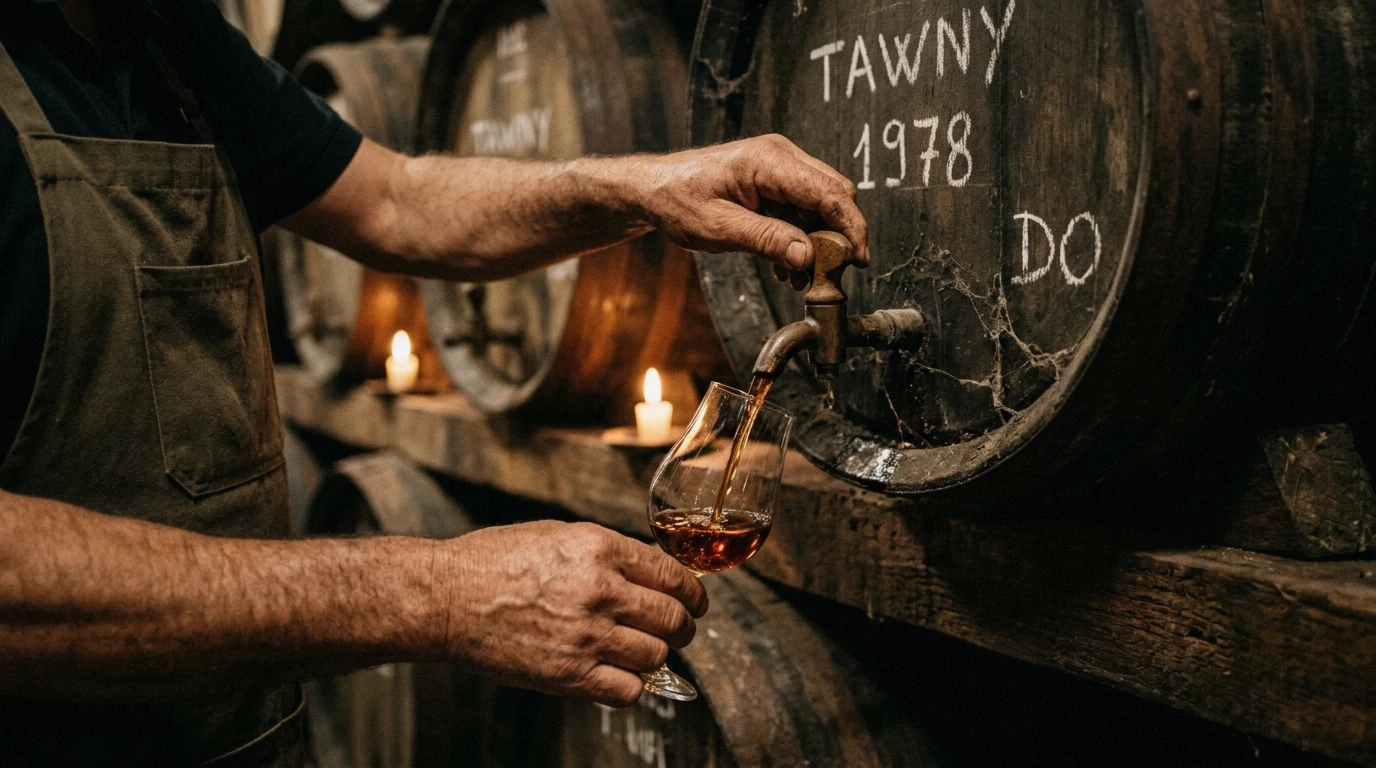
Photo: Ray in Manila, CC BY 2.0, via Wikimedia Commons.
Douro Valley Wine Questions, Answered
Is all port sweet?
Effectively yes, because fermentation is stopped early by adding grape spirit and residual sugar stays in the wine. The driest expressions are white ports, which still taste richer than table wine but work chilled as an aperitif or with tonic, lemon and mint. If you want dry drinking from the Douro, that is what the DOC Douro reds, whites and rosé are for.
What does LBV mean on a port bottle?
Late Bottled Vintage, one of the ruby family's sub-styles alongside basic Ruby, Reserve Ruby, Single Quinta Vintage and classic Vintage Port. LBV comes from a single year and spends longer in wood before bottling than a classic vintage, which makes it ready to drink sooner while keeping the ruby character of cherry, plum and chocolate.
What is a Colheita?
A single-vintage tawny. Instead of blending wines from several years, the house bottles tawny from one harvest that has aged in small oak the whole time. It tastes of raisin, fig, walnut, toffee and caramel like any aged tawny, with the specific year stated on the label, which makes it the style for comparing vintages side by side.
Should I really compare port and a DOC red from the same estate?
Yes, it is the single fastest lesson in the valley. The two wines share grapes, soil and often the same picking day, so the only meaningful difference in the glass is fortification: sweetness, alcohol and texture. Guides at the quintas pour this pairing on request, and most tours that visit two estates will arrange it if asked.
Are Douro whites worth taking seriously?
They are now. Douro whites have improved dramatically into a serious category, running from crisp, mineral and citrus-driven to richer barrel-fermented wines with texture. The native varieties behind them, such as Rabigato, Viosinho and Gouveio, give citrus, stone fruit and sometimes floral or saline character. Order one with fish or seafood and you will not miss the red.
What are vinhas velhas?
Old vines, often mixed field plantings of the native varieties that were replanted variety by variety over generations. Wines labelled vinhas velhas can be especially complex because each vine contributes something slightly different. Ask about vine age at any tasting: it is the question that separates a pleasant bottle from a memorable one.